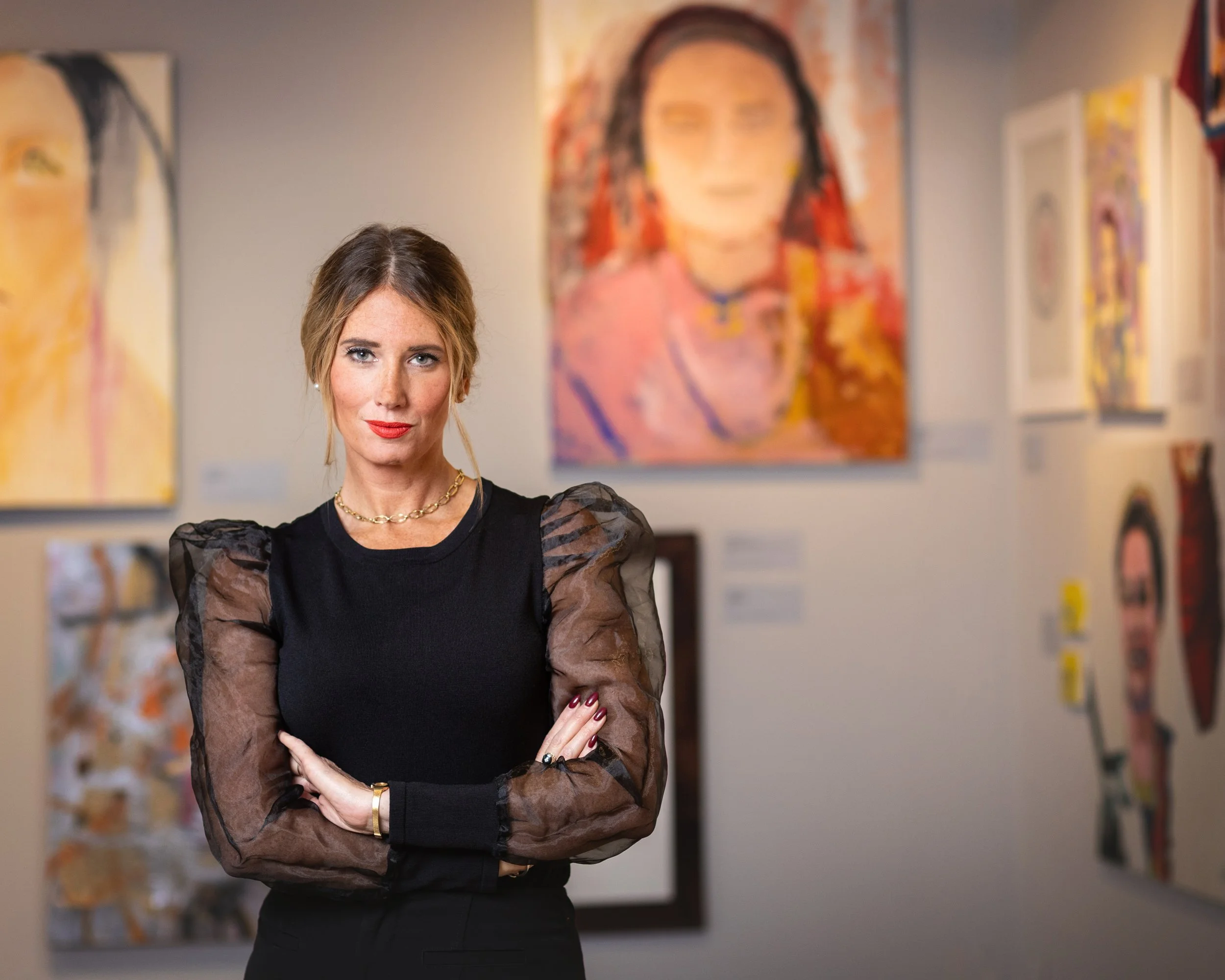
The Armenian Museum of America is pleased to announce the appointment of Sarah E. Hayes as Deputy Director, expanding her leadership role at the Museum and positioning her to support the institution’s continued growth, strategic development, and national visibility.
Hayes has served as the Museum’s Director of Development since 2023, leading fundraising, membership, grant management, donor relations, corporate and foundation partnerships, development communications, and fundraising events. In her new role, she will retain leadership of the Museum’s development program while taking on broader responsibilities across the institution.
As Deputy Director, Hayes will work closely with President, Michele Kolligian and Executive Director Jason Sohigian, the Board of Trustees, staff, volunteers, donors, members, and community partners to advance the Museum’s mission and strengthen its financial and organizational sustainability. She will provide leadership and coordination across exhibitions, programs, communications, facilities, visitor experience, and administrative functions, helping ensure that the Museum’s activities are aligned with its strategic priorities.
Hayes will also serve as a key representative of the Armenian Museum of America in external relationships, institutional meetings, events, and community partnerships, and will support the Executive Director in advancing the Museum’s vision and long-term goals.
“Sarah has been an extraordinary leader and advocate for the Museum,” said Jason Sohigian, Executive Director of the Armenian Museum of America. “Her vision, energy, relationships, and deep commitment to our mission have made an enormous impact on the institution. We are thrilled to expand her leadership role as Deputy Director and look forward to all that we will accomplish together.”
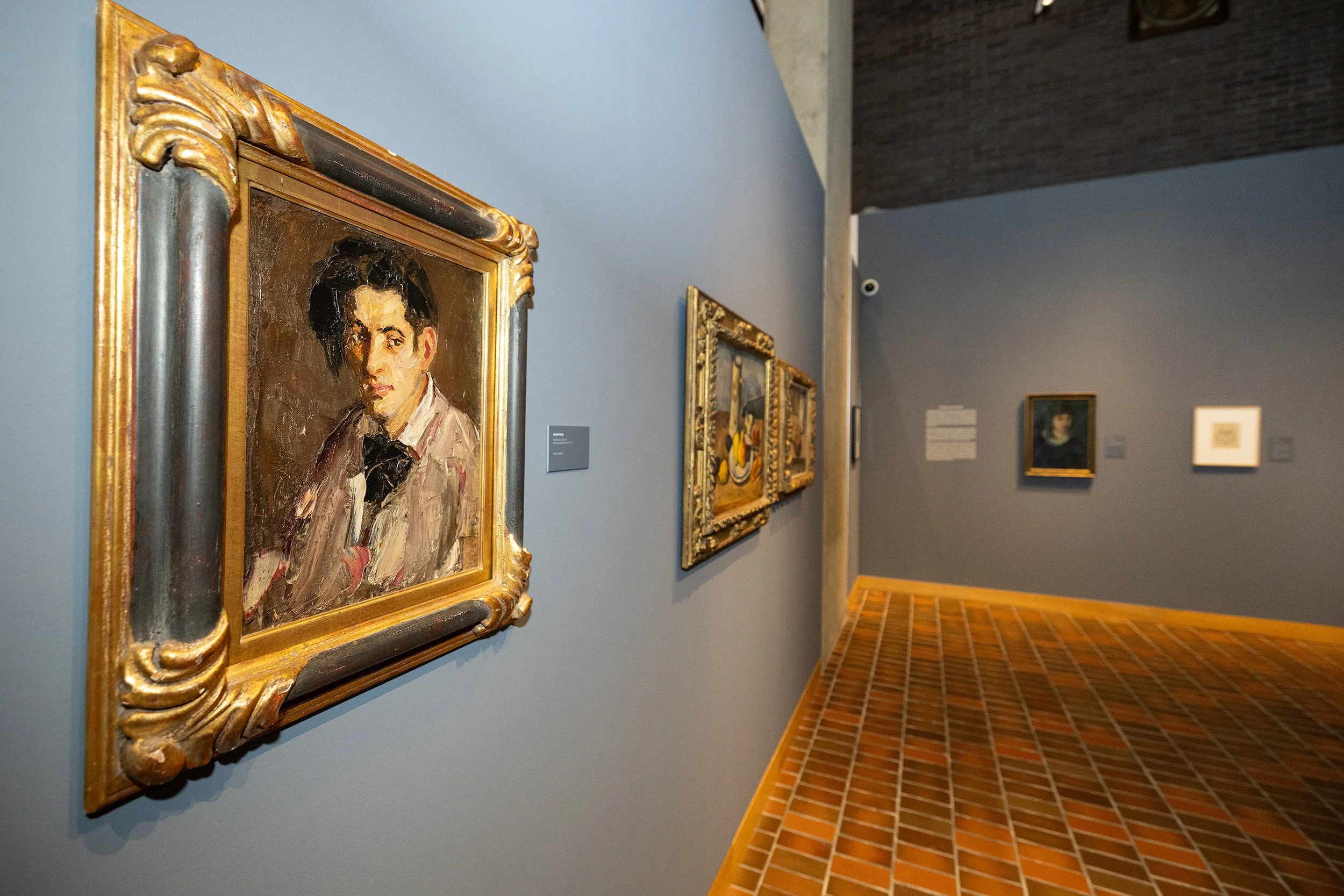
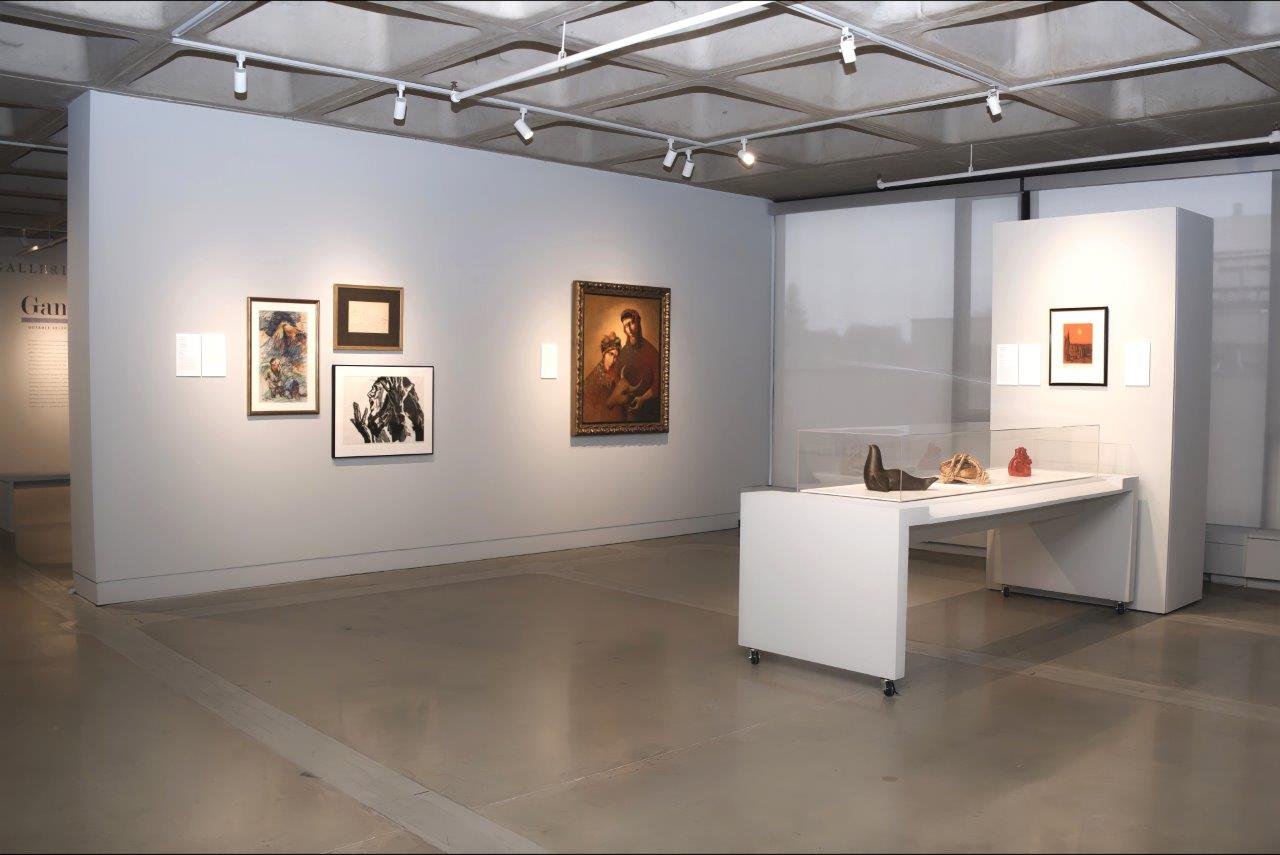
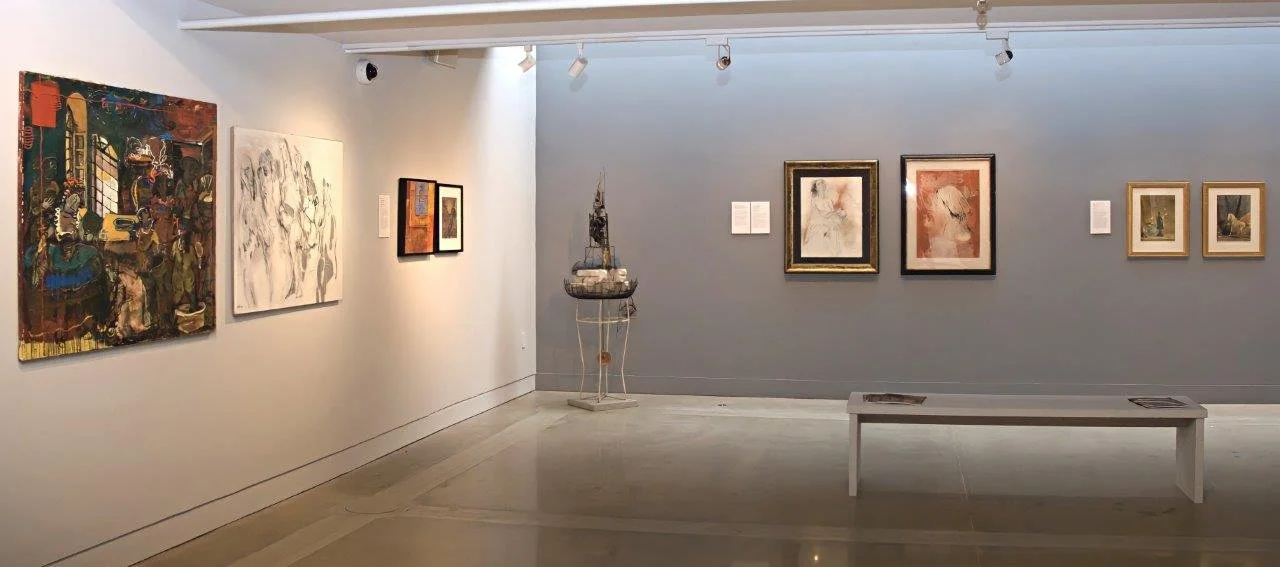
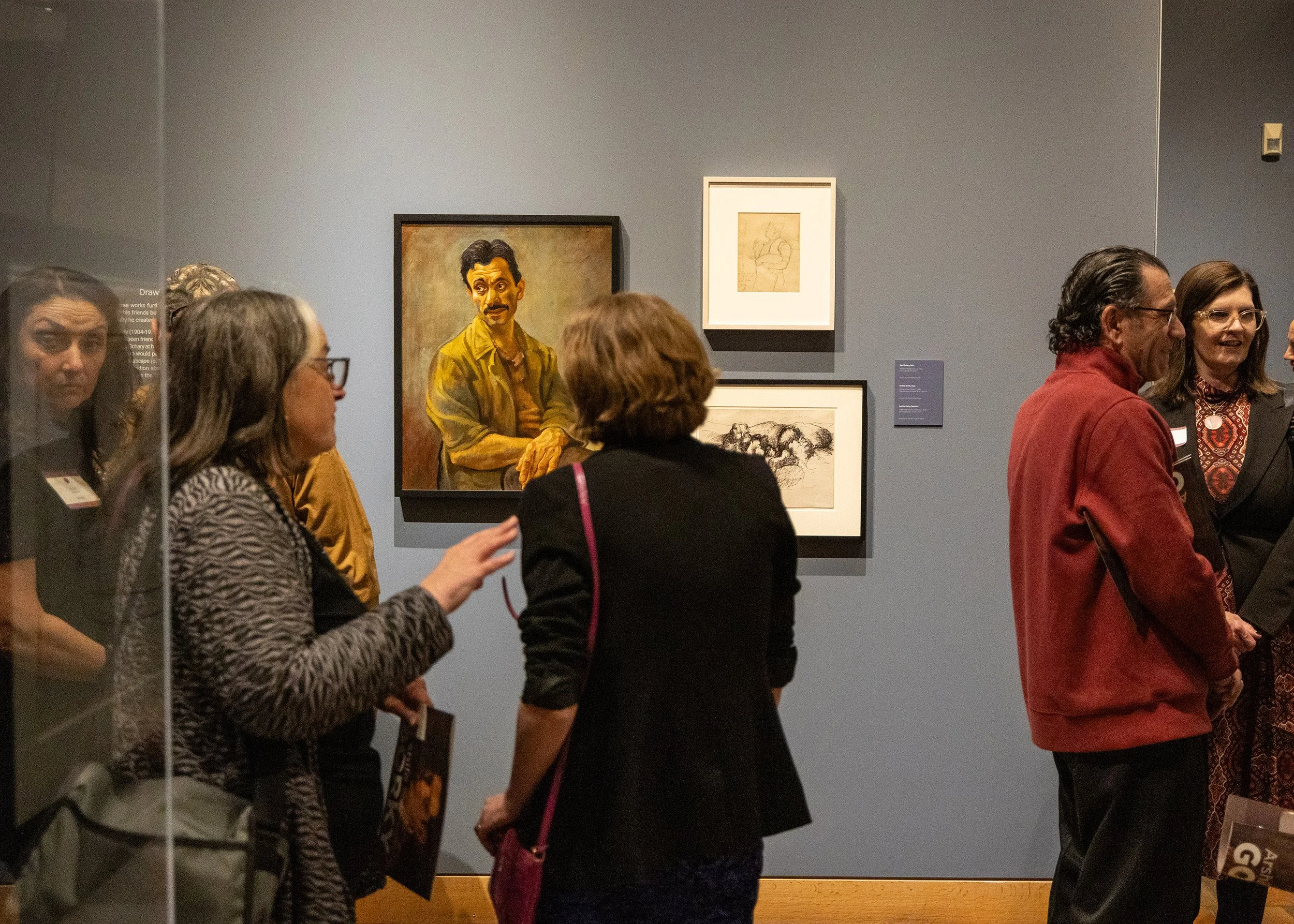
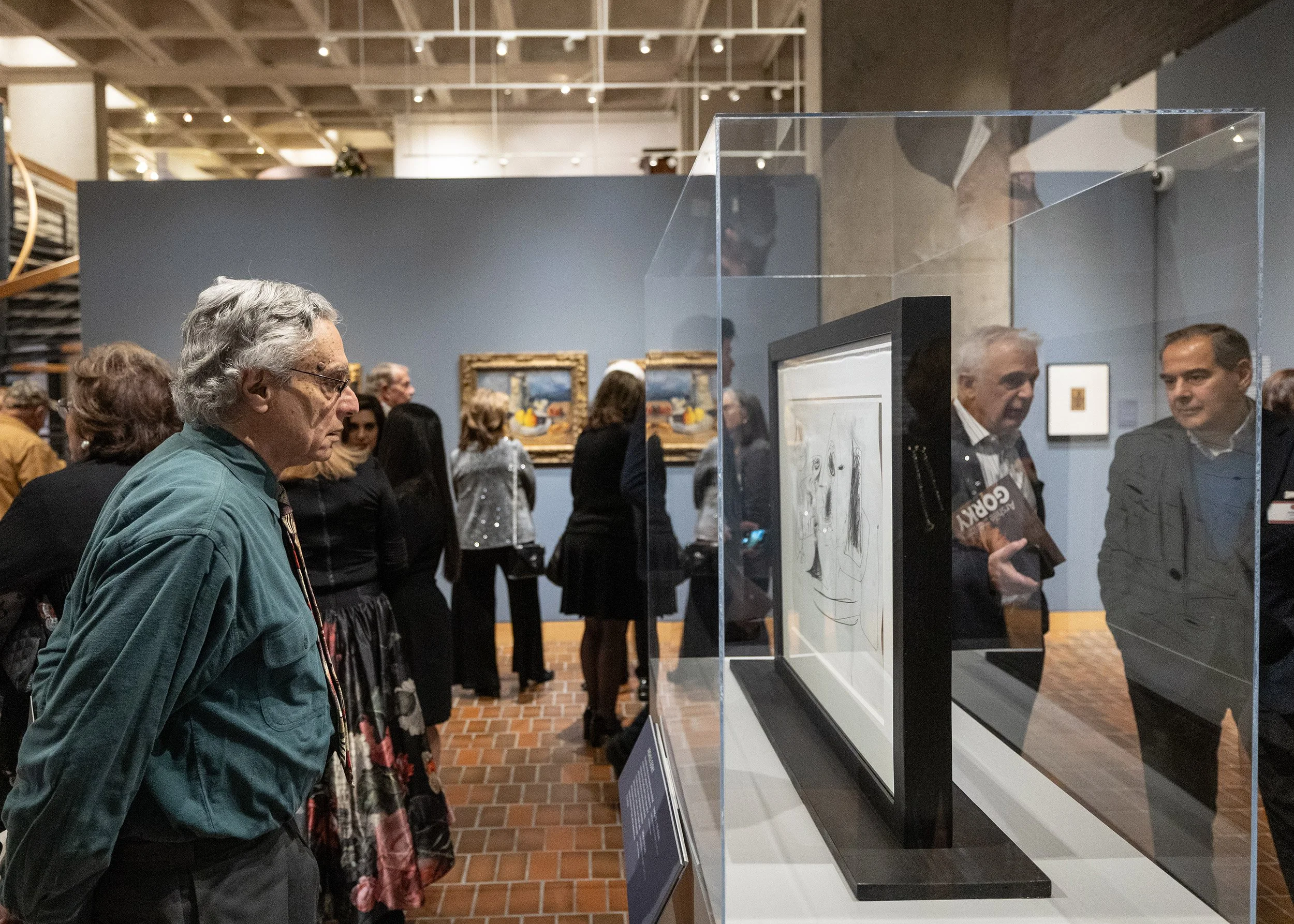
During her tenure as Director of Development, Hayes has helped strengthen the Museum’s fundraising and membership programs while supporting an ambitious period of exhibitions, cultural programming, educational initiatives, and institutional growth. She has also played an important role in securing significant loans and cultivating relationships with leading museums, cultural institutions, and private collectors for the Museum’s landmark Arshile Gorky exhibition, helping bring works of Gorky’s art to the Armenian Museum of America from respected institutions and private collections.
Hayes’ professional relationship with Sohigian extends well beyond their work at the Museum. The two first worked together in 2007 through the Armenia Tree Project, where Hayes went on to spend 13 years as West Coast Operations Manager. Their longstanding professional partnership has continued through their shared commitment to Armenia, environmental stewardship, cultural preservation, and nonprofit leadership.
“I am deeply honored to take on this new role at the Armenian Museum of America,” said Sarah E. Hayes, Deputy Director. “The past several years have been an incredibly exciting time for the Museum, and I am grateful to our staff, Board, donors, members, artists, partners, and community who make this work possible. Having had the opportunity to work with Jason since 2007, I am especially excited to continue building on our shared commitment to Armenia and to the growth and impact of this remarkable institution.”
Hayes brings to the Museum a longstanding personal and professional commitment to Armenia, Armenian culture, environmental stewardship, and the nonprofit sector. She served as a Peace Corps Volunteer in Armenia from 2005–2007, where she worked as an environmental education volunteer.
She holds a B.S. in Biology and a minor in Studio Art from Eastern Connecticut State University. Her background in environmental education, nonprofit leadership, the arts, and Armenian cultural engagement has informed her work at the Museum and her commitment to connecting Armenian heritage with broader audiences.
Hayes lives in Connecticut with her daughter and their two dogs. She remains deeply connected to Armenia and to the Armenian-American community, bringing to her work both professional expertise and a personal commitment to preserving and celebrating Armenian culture.










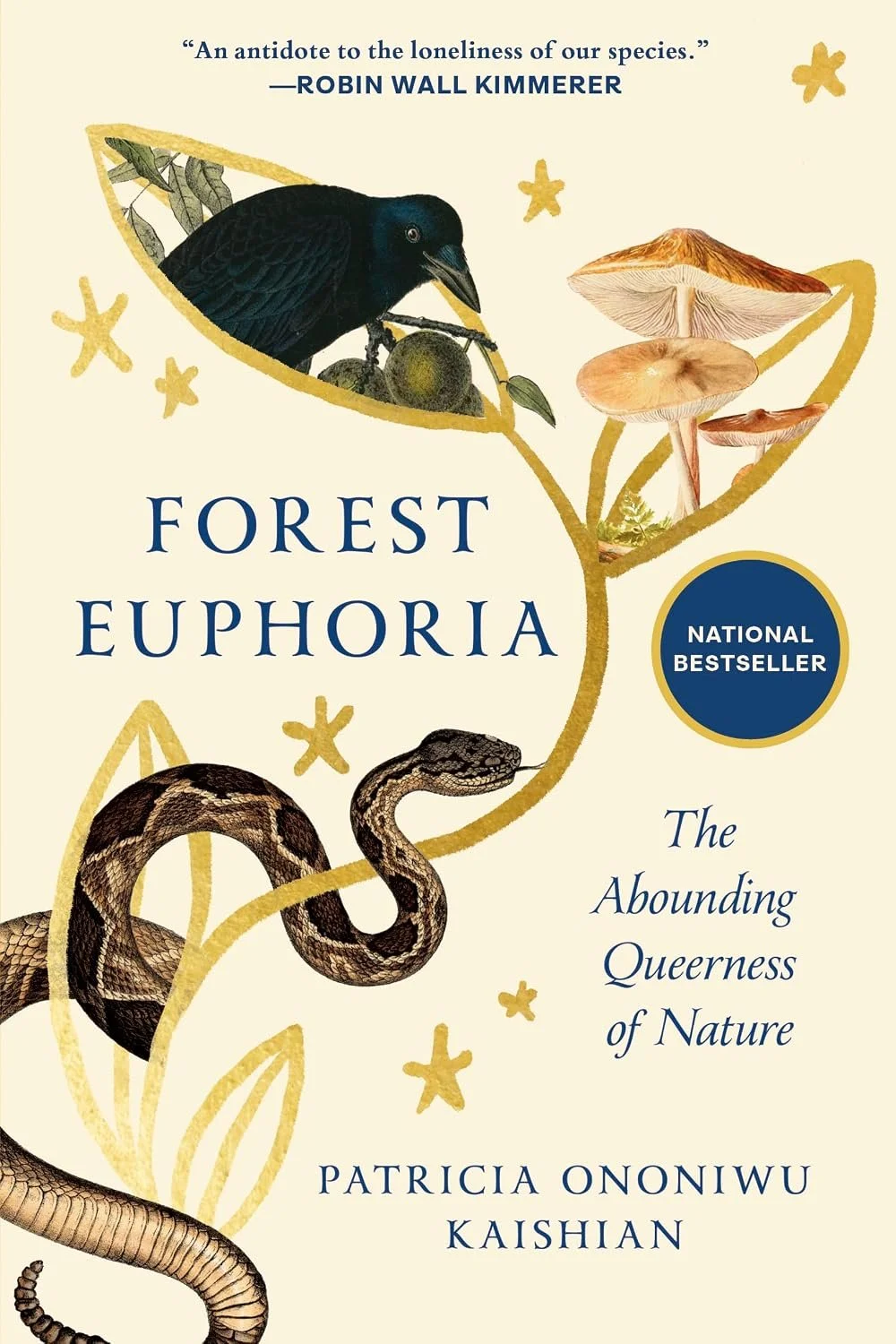


Actor Joe Manganiello seemed to have it all: a soaring career, a new marriage, and what many considered, the best physique in Hollywood. Then, without warning, his body began to fail him. A cascade of autoimmune-related illnesses attacked his skin, thyroid, eyes, lungs, and digestive system, plunging him into a seven-year battle, plagued by chronic pain, a life-saving organ amputation, existential crisis, and a prolonged fight for survival that left doctors with few answers and no clear explanation.
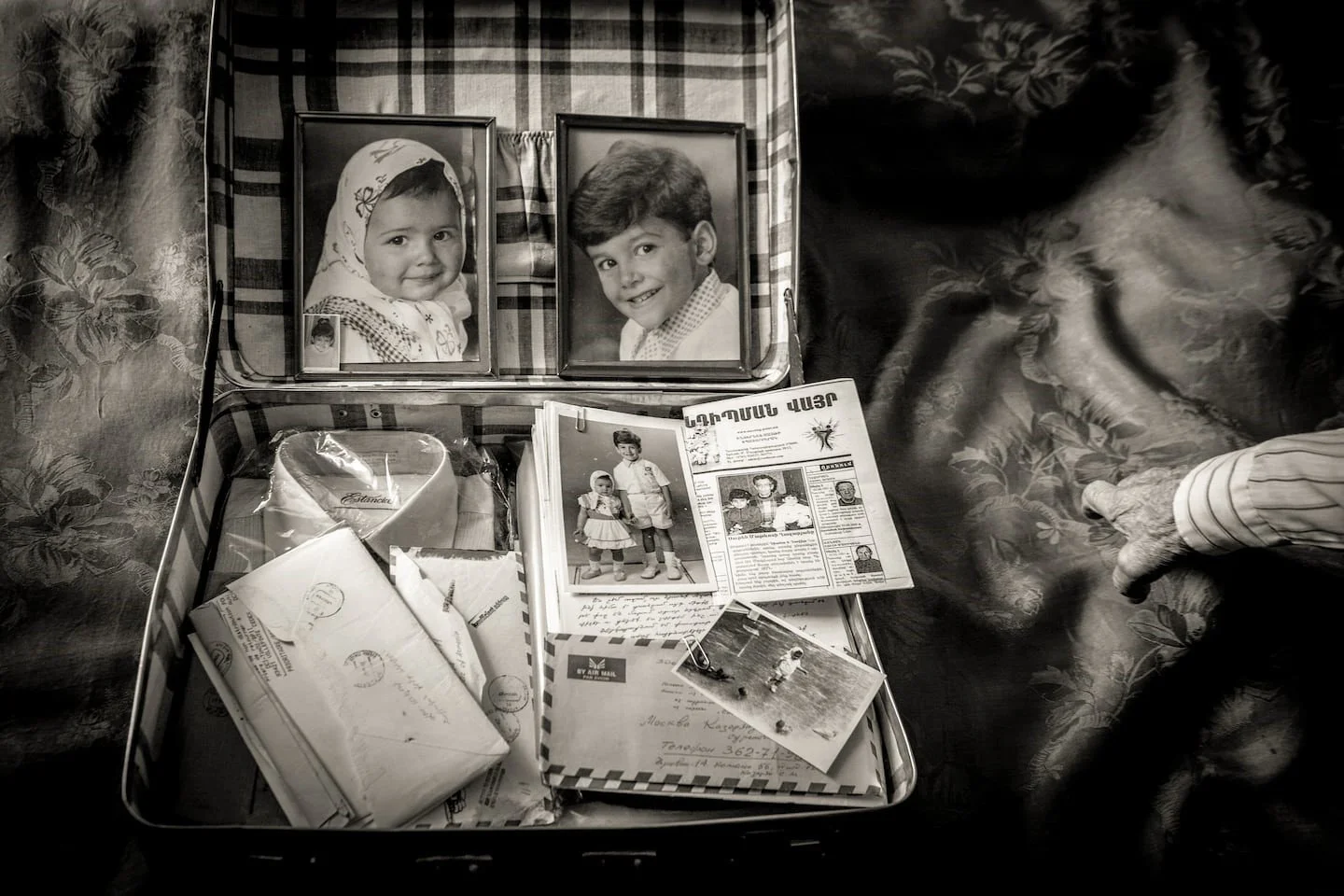
As Manganiello struggled to stay alive amidst medicine’s inability to fully explain what ailed him, an unorthodox path emerged—shamans, pagan rituals, ancient myths, long lost family records, and the rebirth of his own spirituality. A search that led him deep into his own bloodline: to a survivor of the Armenian genocide, to ancestors shaped by violence and displacement, and the hidden patterns shared by others living with chronic illness.
In this gripping memoir, the star of True Blood and Magic Mike, reveals the previously undisclosed health ordeal—marked by multiple near-death experiences and medical crises—that led him beyond medicine and into a remarkable, globe-spanning quest that revealed answers about his ancestry, inherited trauma, and the deeper histories we carry.